• Skip to main content
  • Skip to secondary menu
  • Skip to primary sidebar
  • BEAUTY
  • RECIPES
    • BREAKFAST
    • LUNCH
    • SNACKS
  • SPIRIT
  • FITNESS
  • NUTRITION

The Wellness Info

All About Wellness Information

  • BEAUTY
  • RECIPES
    • BREAKFAST
    • LUNCH
    • SNACKS
  • SPIRIT
  • FITNESS
  • NUTRITION

Beauty

Aspirin – a miracle worker for health and beauty of the face

September 24, 2015 by Sheila Smith

The problems on the facial skin (blackheads, acne and enlarged pores or blemishes) generally require great effort and perseverance in their treatment. In addition, it is necessary to adjust the treatment of not only the problem, but also the type of skin – therefore you need to cover more aspects!

The good news is that there is a tool that has solution for all of these problems and suits every skin type face! It is ASPIRIN! Depending on the type of problems and skin type you can combine it with other ingredients and get the perfect remedy! Here are a few different masks with aspirin.

IMPORTANT NOTE: If you are allergic to aspirin or any of the ingredients of aspirin you should not use any of these masks for the skin. Also, these masks are not recommended for pregnant women. Which problems can be treated with aspirin?

Aspirin can be used for the following skin problems:

– Blackheads, acne and pimples,
– Red spots on the face,
– Various forms of skin irritation,
– Sensitivity and skin flakes,
– Very greasy skin,
– Enlarged pores,

How often should you use aspirin for treatment?

In all the above mentioned types of skin problems, aspirin should be used once to a maximum of two times during the week.

aspirin


How to use aspirin to treat skin problems?
Aspirin is used exclusively in the form of face masks. The way you prepare depends on the type of skin problems you want to solve.

1. Mask for healthy skin

If you want to nurture your skin and maintain healthy skin and thereby prevent any problems this is a mask for you!

Dissolve three effervescent aspirin tablets in a bowl of warm water. Apply the resultant mixture gently on the face and leave on for 10 minutes. After that, rinse the skin with lukewarm water and leave to dry naturally without the use of towels.
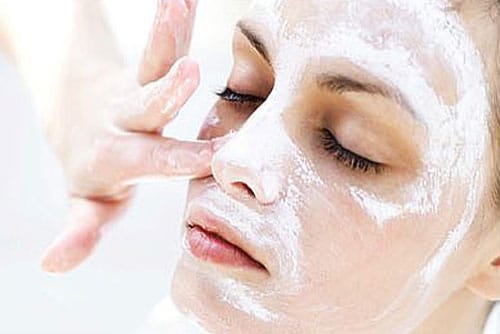
aspirin mask


2. Mask for dry, irritated, scaly and sensitive skin

If you have dry, irritated and sensitive skin, which is further scaling this is the perfect solution for you!

Mix three tablets effervescent aspirin with a teaspoon of honey and a spoon of olive oil. Stir the ingredients until you get a compact mixture, and gently massage into the face. Leave for 10 minutes, then rinse with lukewarm water and dry naturally without the use of towels.

3. Mask for oily skin / skin with stains / skin with enlarged pores

You recognize some of these symptoms on your skin? This is a mask for you!

Mix three effervescent aspirin with spoon of freshly squeezed lemon juice and stir. The resulting mask apply to the face and leave on for 5-7 minutes. In 1l of warm water dissolve a teaspoon of baking soda and water, rinse the face. Let the skin dry naturally without the use of towels.

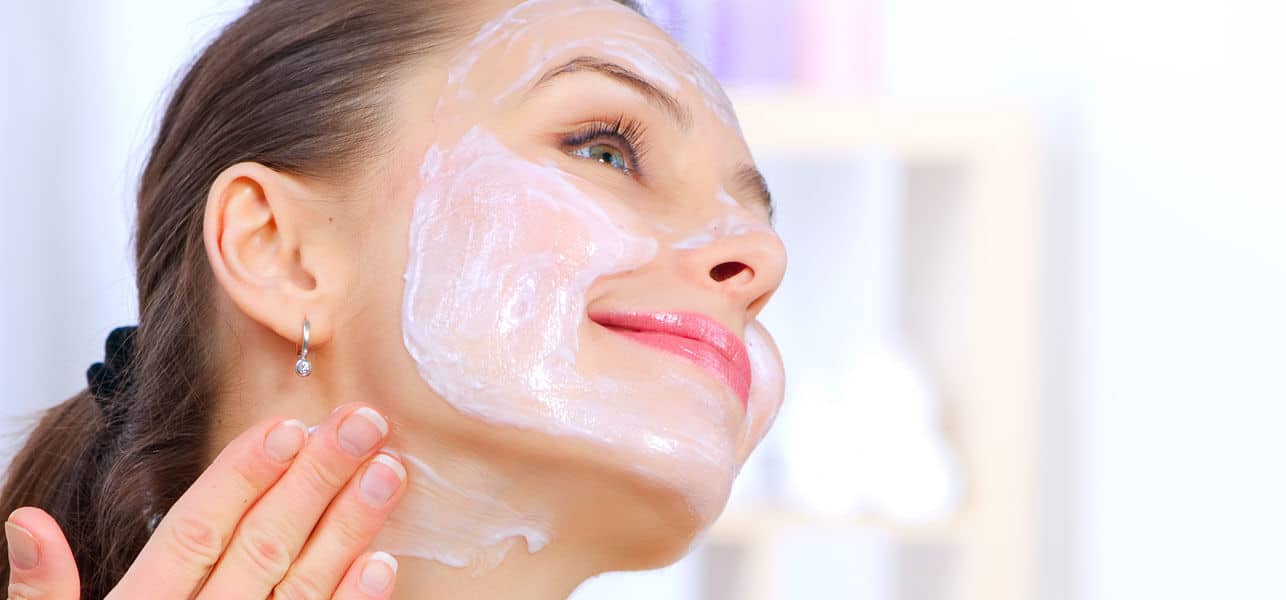
Young woman with clay facial mask.

Nature as an ally for treating greasy hair

September 22, 2015 by Sheila Smith

One of the most common problems with your hair is greasy scalp. Surely you’re familiar with this problem – You washed your hair, but after one day it is ready for a new wash. It’s crazy, right? Here are the possible causes for greasy hair and natural remedies which you can try.

The causes of greasy hair

Everybody know this, but it is certainly a fact – the more you wash your hair the more oily it gets. Frequent washing rinses the natural layer of fat on the scalp. The scalp sees this as an alarm, and produces more fat to compensate for what is washed. In addition, buying shampoos, even those designed for oily hair, are full of chemicals and harmful ingredients which aggressively act on the scalp, dry the skin and encouraged production of more fat.

Natural remedies for oily hair

Baking powder

One of the great ingredients for oily hair is baking powder. Yes, you read it right! In addition to solving the problem of excess fat, baking powder eliminates dandruff and other impurities. So, make a shampoo made from baking powder and try to use it to solve your problem.

Ingredients: teaspoon baking powder and a cup of water.

Preparation: Mix the ingredients until you get a smooth mixture, and massage it into the scalp. Then just rinse with a mixture of 1 tablespoon apple cider and one cup of water.

Note: There may be a reaction on the scalp at the beginning, but it’s just a natural reaction of your scalp which has so far been “tortured” with industrial shampoo.

Egg whites – In addition to using baking powder for the care of greasy scalp you can use scrambled egg whites. Whisk as many egg whites as you need to cover the scalp, rub and let sit for 20 minutes. Then wash your hair with a natural shampoo.

Black tea – You can treat greasy scalp with diluted black tea, by massaging it into the skin and then rinse.

Lemon – Lemon juice is another natural remedy for oily hair. However, if you do not want to lighten your hair, do not use it, because with a long-term use of lemon juice the hair becomes brighter.

Nettle – certainly the most beneficial plant when it comes to hair care is the nettle. In addition to reducing the production of oil, nettle is excellent as an ingredient in the fight against hair loss, and dandruff.

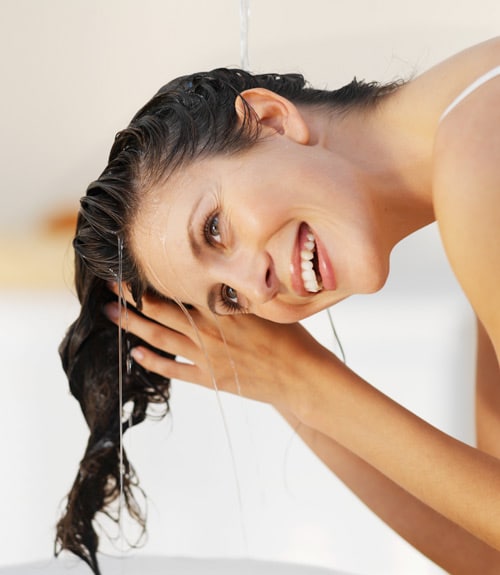
greasy hair


Tips:

No matter how hard or uncomfortable is seems, do not wash your hair every day, whether with natural, industrial or medical shampoo. This will allow the scalp to recover and eventually your hair will become less and less oily.

If you have oily hair, never apply conditioner and mask on the entire hair, apply a small amount, but only on the ends.

DIY Gentle parsley facial toner

September 15, 2015 by Sheila Smith

Over the years and as a result of various factors from the environment the skin changes the appearance and condition. We can notice stains, freckles and other irregularities appear on our face.

Do not despair if a notice this on your face – there are completely natural ways to restore the face healthy, fresh and clean look. This homemade parsley toner is one of them! In addition it will help you to whiten and clean the skin, it will eliminate the pigmented spots, freckles and it will restore your healthy complexion.

With just a little effort you can prepare the parsley toner and use it every day!

Why is parsley so good for the complexion?

Parsley is rich in vitamins and minerals, and its juice contains essential oils with a high content of potassium and manganese.

In cosmetology parsley has always been known for its whitening and regenerative properties. It eliminates redness, irritation and swelling, refreshes and tones. It also protects the skin from the appearance of wrinkles. It is excellent for the care of the sensitive eye area. Also it helps eliminate acne and blackheads.
Ingredients:

2 tablespoons chopped fresh (or dried) parsley leaves,
200 ml of boiling water,
1 teaspoon lemon juice or apple cider

Preparation:  Pour boiling water over the parsley and cook on low heat for 15 minutes. Remove it from the heat and let it cool. Then strain it and add lemon juice or apple cider.

gentle parsley toner


Keep it in the refrigerator for 5-6 days. Use the toner every morning and evening by applying it on a piece of cotton pad and rub the whole face. After a month you’ll notice that the spots and stains from the face will disappear.

If you want to eliminate the dark circles and redness of the eyes, make the same toner, but without the addition of lemon juice. Soak cotton swabs in this lotion and put on the eyes in the morning and evening, leaving them for 5 minutes.

Conditioner for deep hydration of the hair – homemade cosmetics

September 14, 2015 by Sheila Smith

If you are concerned about the health of your hair and you want to get rid of dandruff and reduce hair loss, then we recommend to turn to homemade products. This way you will avoid the harmful chemicals contained in most commercial products.

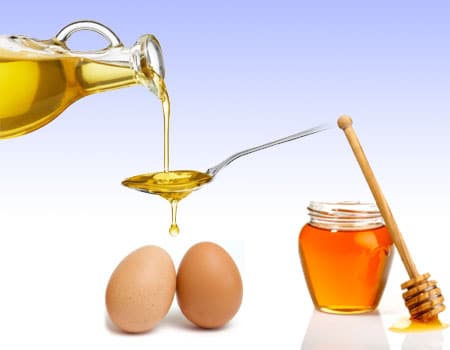
Today we present a homemade conditioner for deep hydration of hair with honey and eggs.

Ingredients:

  • 2 eggs,
  • 2 tablespoons olive oil,
  • 1 tablespoon of honey.

conditioner deep hydration1


Nutritionists and dietitians believe that eggs are the complete package. Egg whites are rich in protein, and egg yolks are high in vitamin A, B, D and E. All of them are of key importance for the strengthening and growth of hair.

Honey is another key ingredient used in this recipe. Honey is a natural antiseptic and has antibacterial properties, and effectively solves the problem of sensitive skin. It also helps in the reduction of itching and provides moisture to a lifeless hair, leaving it shiny and bright.

Olive oil is one of the three main ingredients in the recipe. Olive oil is full of vitamin E and deeply cleanses the scalp while moisturizing the inside. It is great for solving the problem of sensitive skin and treats the problem of itching.

Instructions: Mix the olive oil and honey, and put them in the microwave for 30 seconds. Then add the eggs and stir the ingredients together.

Application: Rub the mixture after washing the hair gently massaging the scalp. Leave it for 15 minutes, then rinse.

conditioner deep hydration2

Are You Using The Right Scrub For Your Skin Type

September 6, 2015 by Sheila Smith

Exfoliation is a crucial step in nurturing the face and preserving its beauty. Scrubs remove dead cells from the skin’s surface, open and clean pores and allow the skin to breathe freely. Also, scrubs improve the circulation in the surface layers, and promote exchange and the flow of nutrients to each cell, enhances the production of collagen, which keeps the elasticity of the skin, the skin regenerates faster and eliminate aesthetic defects on the face, such as scars and blemishes.

In addition to the usual mechanical scrub, there are other types of scrubs, ie. ways of its implementation.

The regeneration of the skin is called keratinization and takes about 28 days, but as the skin ages the process becomes slower. In the process of keratinization, living skin cells migrate to the surface of the skin where they die and fall off, and are replaced by new ones.

Dry skin doesn’t have a good protective layer of skin (the hydro-lipid layer) and dead skin cells fall off more easily. For oily skin keratinization is accelerated. Therefore, people with dry skin should apply scrubs more often than those with oily skin.

Why should you use scrubs?

– Thoroughly clean the skin
– Remove dead skin cells
– Mitigate the hyperpigmentation (patches) on the skin
– Wrinkles become shallower
– Scars become less visible
– Accelerates keratinization – skin regeneration
– Treatments (cream, serum, etc.) that are applied after scrub better penetrate the skin
– Improves microcirculation.

Types of scrubs

There are several types of scrubs. The basic division is mechanical, chemical and enzymatic (biological) scrub. The length and strength of the exfoliation depends on the type and condition of the skin, but the process usually takes about 5 minutes. If you have dry skin, the scrub should be shorter, and if you have oily then longer. For mixed skin it is mixed, with longer rubs on the T zone, and less on the cheeks. To remove the scrub it is best to use a sponge soaked in distilled water, since tap water is full of chlorine and other substances that dry the skin. After the scrub you should thoroughly clean the skin and apply a tonic, apply mask and finally the cream.

1. Mechanical scrub

Mechanical scrubs, as the name suggests, makes a mechanical friction which removes dead cells from the skin surface. Usually contain small abrasives that create friction – various cells that can be: seeds, quartz sand, plastics (in some commercial products), vegetable flour, sugar … There are scrubs with granules that dissolve, for example, beads of jojoba oil that melt during the exfoliation. The amount of granules may vary – thinner scrubs are used if you have dry or sensitive skin, and thicker if you have oily. The substrate for the cells may also be different – milk, gel, face cream or something else. Milk is used if you have dry skin (to simultaneously hydrate), gels if you have mixed or oily skin. These cells make microscopic cuts on your skin, thus helping to remove dead cells. Mechanical exfoliation works on the surface on the skin. During mechanical exfoliation you can also use a backup tool –  brush, glove or sponge for rubbing. You will get stronger effects if you use them.

scrub mechanical


These treatments are done in beauty parlors, but you can buy appliances for home care. In any case, before any treatment it is mandatory to consult a dermatologist! Do the scrub longer on the thicker parts of the skin (T zone).

NOTE: Mechanical exfoliation should not be used by people who have wounds, acne, herpes, allergic reactions, or are prone to couperose.

Application: Clean the skin and apply the product on the skin, gently rub in a circular motion, but avoid the eye area. Exfoliate about 5 minutes, and then remove the product with distilled water. After peeling, apply nourishing mask that fits your skin type.

2. Chemical Peels

Chemical peel is a type of scrub in which the beautician applies acids that remove the dead/damaged layer of skin. Chemical scrubs are very helpful with hyperpigmentation (dark spots on the skin – from the sun, for example), acne, wrinkles and acne scars.They are done in several treatment and during autumn or winter when sunlight is not so hard.

Exfoliation with fruit acid can be gentle, can remove fat and improve the appearance of the skin or it can be strong (such as peeling conducted by beautician). AHA scrubs help treat acne and serve as a pre-treatment for cleaning the pores before applying the preparations for the treatment of acne. Individuals with severe acne should not use mechanical exfoliation, so they are recommended to do chemical, but only after consulting dermatologist.

The number of treatments depends on how damaged is the skin. These are mostly 3-6 treatments. If you do gentle exfoliation you can repeat it in a week or two, and if you’re doing a deep peeling, it can be repeated in 5-6 weeks.

chemical peel


NOTE: Chemical peels should not be used by people who are in therapy with Isotretinoin.

Care after chemical scrub: Make sure you protect your skin after treatment, otherwise you will have problems with patches. Chemical peels are very effective, but you should protect yourself in the period after the treatment until the skin regenerates. Be sure to wear sunscreen, wide-brimmed hats and watch that you do not expose the skin to direct sunlight.

3. Enzyme Scrubs

Enzyme scrub is a delicate scrub because it naturally accelerates keratinization (cell regeneration). It can be done by people with all types of skin to reduce wrinkles and make the skin more elastic. The application of this peeling provides the skin with nutrients and enhances the synthesis of collagen and elastin which provide firmness and elasticity. It is also used for burns.

As the name says, this scrub contains enzymes i.e. ferments. These are proteins which can cause a chemical reaction in the body (in this case, to accelerate tissue regeneration). Enzymes are not anything new or unknown to your body so you have no reason to be afraid. For example, enzymes in saliva help digest food before it reaches the stomach.

Before selecting a scrub it is important to know your skin type and condition. It would be best that you consult a dermatologist about these issues.

Exposure of the skin to the sun, combined with sea water leads to spontaneous biological exfoliation.

CAUTION – Do not apply scrubs before exposing to the sun.

Lotion of only three ingredients that will recover your hair: after the summer sun!

September 5, 2015 by Sheila Smith

This lotion clean threads and encourages the hair growth and recovery, and it is only necessary to mix this three ingredients.

If your hair is falling or is completely lifeless, there is a likelihood, that the problem is just the crown. Maybe you have poor circulation, and may have been simply the pores of the scalp clogged by products that are constantly applied to the hair or shampoo, which doesn’t rinse good enough.

In any case, maintaining a healthy scalps is extremely important, and this lotion that you can easily make at home will definitely help you with that.

Lotion of only three ingredients that will recover your hair after the summer sun!
What is needed:

  • 4 tablespoons of coconut oil
  • 2 tablespoons squeezed lemon juice
  • 1 tablespoon of grapefruit juice

Procedure:

In a dish they are all thoroughly mixed until they uniform a mixture.

Lotion of only three ingredients that will recover your hair after the summer sun!
Application:

This lotion is applied to dry hair, but the condition is that the hair doesn’t has any foam or dry shampoo traces. The lotion is applied to the threads with your fingers or a cotton bud – it would be easier if you pull a comb parting by parting, if you have long hair.

When topics cover the lotion, massage it and massage your scalp to encourage circulation, and then let it work for 20 minutes. Rinse and wash your hair as usual.

This lotion should be applied well every week!

Honey wash – an unusual but effective method for clear skin

August 24, 2015 by Sheila Smith

There are a lot of an unusual home treatments that have, despite their weirdness, showed that are useful for the face and body! The treatment that we are presenting today is honey wash!

Yes, you read it right!

Experts point out that this method, because of the benefits of honey (antioxidant, anti-inflammatory, anti-bacterial, moisturizer and nourishing properties), is extremely efficient and is a real treasure in the care of facial skin.

Why honey?

Honey is very gentle to the skin, with emollient and hydrating properties. It also contains ingredients that are similar to alpha hydroxy acids, which clean the pores, and have a pH appropriate for the skin.

Thus, this treatment is ideal for those of you that have a problematic skin, pimples and acne, as well as for you with oily or dry skin. Honey is therefore universal ingredients for a perfect skin!

How it is done?

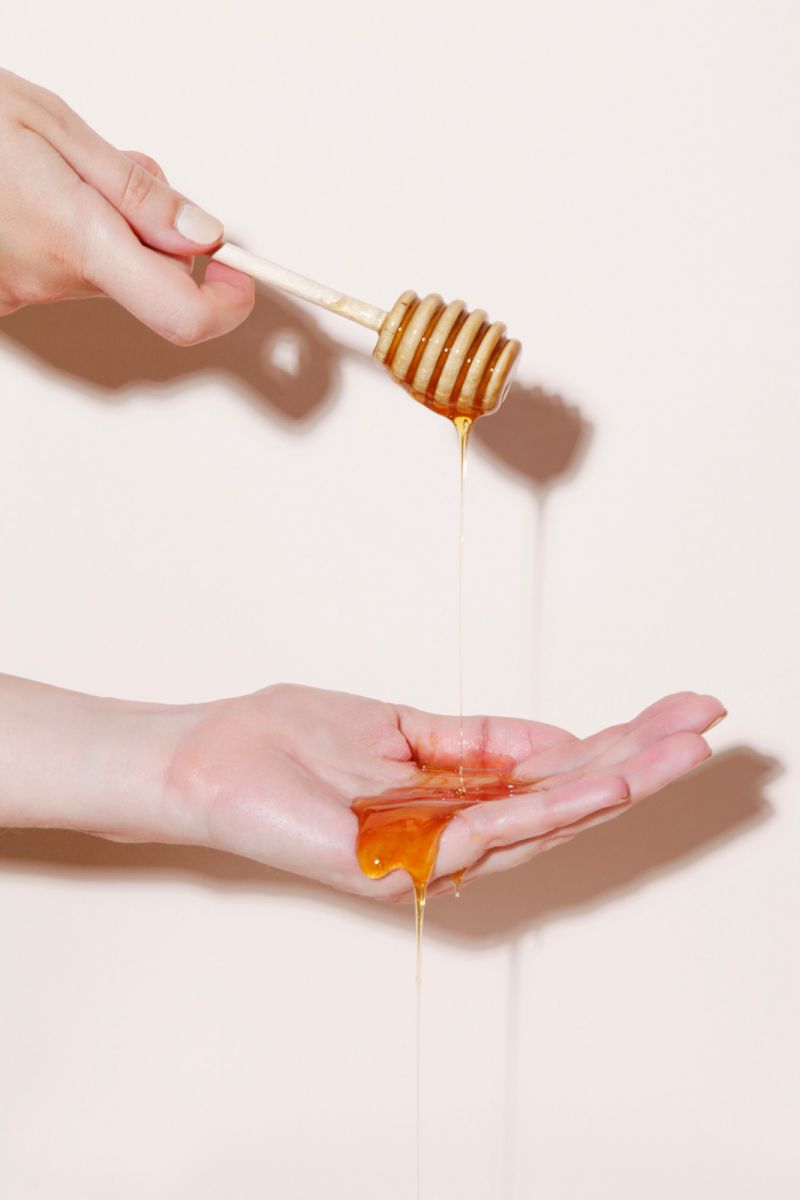
In fact, it is just like the usual washing, only instead of soap (which dries the skin) you use honey. It should be organic, raw honey.

Honey wash - an unusual but effective method for clear skin1

Wet your face, pour a spoonful of honey on your fingertips, and do a circular massage on the skin as long as possible. To avoid sticky situations, tie your hair back and remove it from your face.

Honey wash - an unusual but effective method for clear skin2

j

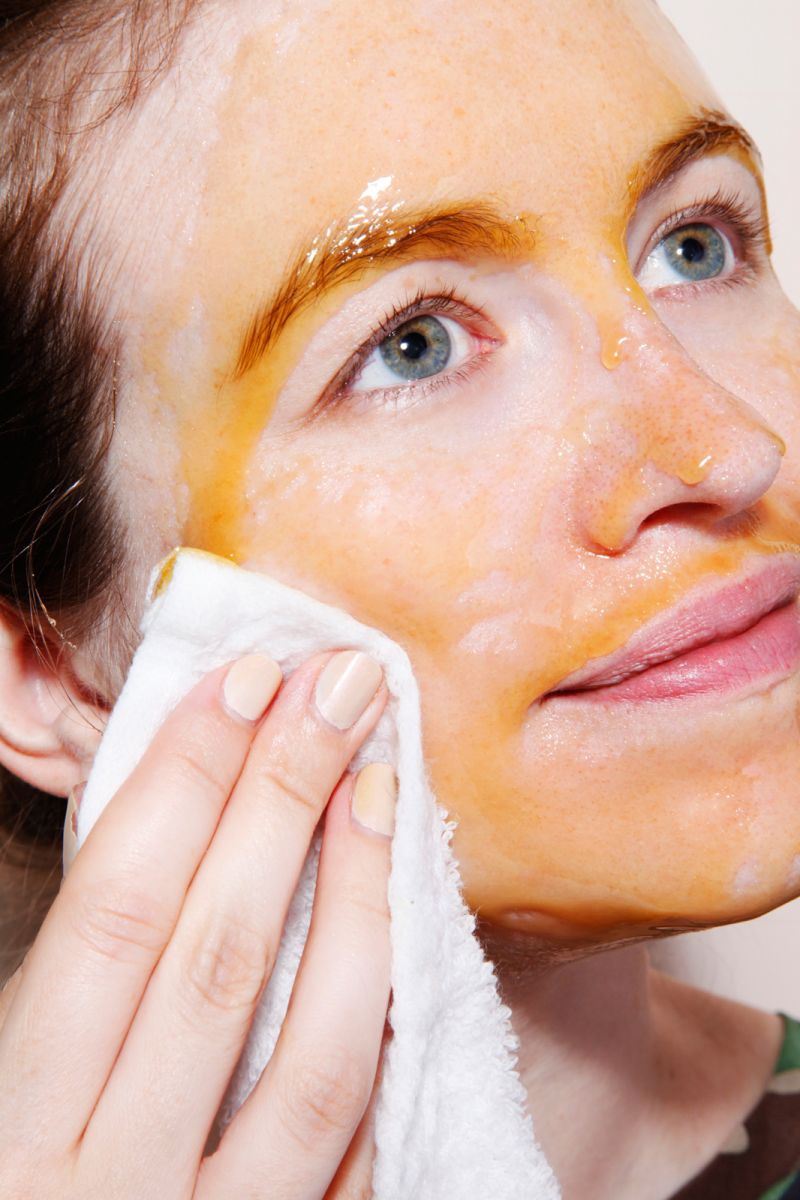
When you are done, remove the honey from the face using a wet towel.

Honey wash - an unusual but effective method for clear skin3

Do this honey wash in the evening, of course, after removing the make-up, because honey can not remove it. After 3 weeks of treatment your face will be completely reborn!

Good to know: Undesirable substances in hair products

August 23, 2015 by Sheila Smith

Beautiful hair is healthy hair, but even regular and dedicated care can lead to various problems such as itching, dandruff, hair loss, greasy hair…The causes of these problems may lie in your shampoo, hairspray, conditioner, specifically in their harmful ingredients.

We have tried to assemble for you a list of undesirable substances in hair-care products.

1) Silicones in shampoo

You should avoid shampoo with silicones. In addition to being deposited on the scalp they can clog the hair follicles. Also, the skin on your back, face or wherever shampoo touches the skin can become irritated. You should also avoid silicones in skin products.

2) Drying alcohols

Pay special attention to this. These alcohols have instant drying effect on the hair and are not desirable in any product – even in shampoo, conditioner and leave-in products where they are the most common.

Alcohols in leave-in products are used for instant shine (believe it or not, the old recipe for shiny hair was vodka!). But just like with the skin, these alcohols dry the hair extremely.

Dry-hair


Test: apply the hair product you use on your palms for a few days. You will see how your skin becomes wrinkled, dry and cracked.

There is a recipe, in which the alcohol is removed from the mixture by evaporation.

In contrast to the fatty alcohols (will discuss about them in the following text as the most hydrating agent in hair products), the following alcohols are of no benefit to the hair and should be avoided:

– Alcohol
– Alcohol denat
– Propyl
– Ethanol
– SD Alcohol (40)

Benzyl alcohol is used as a preservative and is located at the bottom of the composition in a small amount and it has a bad effect on the hair.

Isopropyl alcohol is used to a more efficient penetration of useful ingredients makes it a desirable ingredient, but in hairspray, foam and similar products used to “harden” the hair faster it is bad for your hair.

3) Sulfates in shampoo

Sulfate is one of the most infamous ingredient in hair shampoo. The so-called SLS (Sodium Laureth Sulfate, Sodium Lauryl Sulfate) and SLES (Sodium Lauryl Ether Sulfate), ALS (Ammonium Lauryl Sufate) are very bad for your hair.

There are a number of shampoos without sulfates that are gentle to the scalp and the hair. But, if you use products with silicone you should sometimes wash your hair with shampoo with sulfates to remove the deposits from products for forming and protecting the hair. It is only “deep” washing your that you needed, in most cases use a mild shampoo.

bigstock-Woman-Washing-Hair-With-Shampo-8117141-1050x700


4) Sodium chloride

Better known as salt, it is used to thicken the shampoo which has a potentially drying effect on the hair.

5) Perfumes

Scented products can be found in almost all hair products. What you should pay attention to is the place of the perfume in the composition, it should not be fount among the first few ingredients.

6) Lanolin, Mineral Oil and Petroleum

These ingredients are cheap oil products, used as an emollient, however they have no real nutritional value for the hair. Apart from being completely useless, they hamper the penetration of nutrients into the hair.

7) Propylene Glycol

Often used in hair products, it is also the main ingredient in antifreeze. It breaks the protein structure of the skin, hair.

8) Parabens

They are used as preservatives,  and they are often associated with cancer, but the amounts in cosmetic products is very small, so that their presence and concentration in hair products is negligible.

Women’s Health – Natural Vaginal Baths

August 15, 2015 by Amy Brown

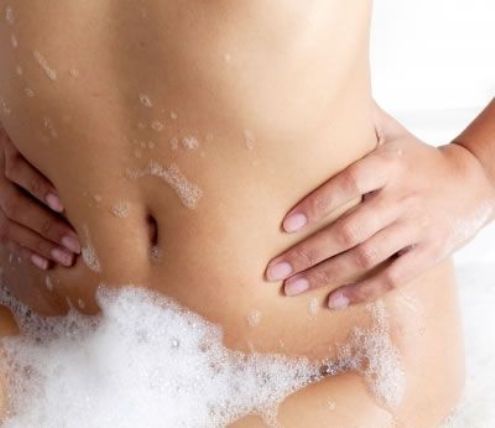
Vaginal steam baths have been long forgotten, but once they were a major ally in the treatment of symptoms of intimate areas. Natural medicine  recognizes their value again as active substances of herbs mixed with steam to help in mild infections and painful menstruation.

Women's Health - Natural Vaginal Baths
Help in inflammation and infection
Woman intimate area requires special attention and care because of its specific structure, moisture and heat so its an excellent medium for the growth of bacteria and viruses. Women for centuries treated the body with healing plants, as preparations and treatments such as baths, washing and putting the lining, and one of the most popular method today again enters the range of major US and European wellness is vaginal steam bath.

Two variations
Vaginal bath has two variations. The first is a steam bath, which is carried out by a sitting on a chair with an opening underneath the chair and container with hot water in which they are immersed herbs. Healing steam is rising upward and gently treated intimately area. The effect is better if you wrapped with blanket so will make some kind of tent from which the steam will not be able to get out.

In another variation woman should sit in the tub with warm water into which you dipped herbs. It is important to immersed in a water your hips and lower abdomen and the water is not too hot.

Women's Health - Natural Vaginal Baths

The bath is not recommended during menstruation because it can encourage further bleeding. It also should not be used during pregnancy even as it relaxes the muscles and stimulates circulation, which may prompt the early opening of the cervix pregnant. If  there are some wounds, be caution in treating wounds that would not have bled. The bath is carried out as you need, and treatment is the best to do as preventive to several times a year. If you have a milder infection or fungus, do the treatment for several consecutive days and take a break of at least ten days and then repeat the process. Note that the strong inflammation sometimes require medical intervention.
Bath is best period for it is 25 to 45 minutes. It is recommended to start treatment after five minutes of adding dry or fresh herbs to the hot water,  so they will disposed of a healing substance. The basic ratio is a handful fresh herbs or a handful and a half dried herbs to eight cups of water. Do not go overboard with herbs, combine up to four types. Do not try to speed up the process with very hot water or supplements such as essential oils – both can damage the mucous membranes.

Women's Health - Natural Vaginal Baths

Sun Oil by recipe of our grandmothers

August 14, 2015 by Amy Brown

This recipe was created at a time when there were no modern sunscreens, and people then were also exposed to the sun. Sun Oil by recipe of our grandmothers
In a glass bottle with a wide aperture or slightly larger jar put a few carrots, a few chopped green walnuts, very few lavender flowers, and also can be added a few flowers of sage. The bottle has to be filled with approximately 60-70 percent of these contents, then put the extra-virgin olive oil to its top. Left the mixture in the sun light for 20 to 25 days, shake it a little each day and eventually fine-strained through several layers of gauze.

Olive oil has a natural protective factor of 2, which is negligible protection for today’s radiation, but with carrot and walnut it has naturally bigger factor, so they significantly raises the safety factor of our oil, and also nourishes the skin. Carrots are rich with beta-carotene and vitamin A, and are also used in modern sunscreens because it rejuvenates the skin and slows down its aging, prevents photo-sensitivity and accelerates tanning.

Lavender and sage are great for skin care, have anti-inflammatory effect on acne, burns, wounds and the sage, salvia officinalis, also reduces cellulite. In addition, these ingredients give a wonderful aroma oil.

Sun Oil by recipe of our grandmothers

(PhotoCredit: http://www.sensaklub.hr/)


DIY Miraculous Peeling Cream from coconut oil and green tea

August 13, 2015 by Amy Brown

The beauty and health of the skin of the body depends on the daily care that we put on it. If we want our skin to be smooth, well hydrated and shiny, once or twice a week we must care to make easy peeling, which will remove dead cells from the skin.

Today we share with you a recipe for homemade scrub with green tea, coconut oil and crystalline sugar. Green tea will improve the complexion of the skin, would make a stronger, slowing aging.
Coconut oil is one of the best moisturizers that nourishes in depth and reduces the appearance of stretch marks on the skin. The sugar gently eliminate the top layer of dead skin cells.
All you have to do grind in blender leaves of green tea and combine with 1/2 cup of coconut oil and a cup of sugar. This mixture can be stored in a glass jar in a dry and cool place.
Scrub is to be applied on wet skin with light massage movements. Massage for 1-2 minutes, then rinse with water. DIY Miraculous Peeling Cream from coconut oil and green tea

How to Use Aloe Vera

August 13, 2015 by Amy Brown

Aloe vera is one of the most popular plants in the world and in history it was known for its healing properties. There is a legend that it was used by Cleopatra, and many scientific studies have confirmed its beneficial effects. Aloe vera grows in colder regions but also many people grow it at home. Its application is wide so you can drink it as juice, applied as a lotion or take it in capsules. Here are five tips how to use aloe vera.

How to use aloe vera

You can remove make-up with it because it is suitable for sensitive eyes and it is a perfect replacement for oil makeup remover. Cold aloe vera gel will help tired and swollen eyes.

Acne and eczema respond well to natural antiseptics that contain aloe vera. Apply the gel 2-3 times a day to the area until the skin healed. Aloe contains substances similar to menthol which cools the skin. It acts as a protection of the skin and helps restore moisture. When the skin is hydrated, it will quickly recover from burns.

How to use aloe vera How to use aloe vera


Give your man a natural shaving gel and aftershave. Aloe vera is an anti-inflammatory due to the high amounts of enzymes and water, and is very moisturizing. Provides smoothness of the skin and provides a thoroughly shave.

The skin like vitamins C and E, which are present in aloe vera, that improve skin firmness and keeps it hydrated. Combining with virgin coconut oil can supplement nutrients, essential fats and moisture. Aloe vera gel penetrates the skin almost four times faster than water, and its nutritional  softening properties.

Rich with vitamins A, B1, B2, B5, B12, C, E, FOLOMA acid and niacin, aloe vera infused amino acids in our diet. There is no better way to give priority to the vitamins that make up the immune system and act anti-stress. Start with small amounts and consult your doctor before starting the consumption of aloe vera.

Next Page »

Primary Sidebar

Categories

  • Beauty
  • Breakfast
  • Fitness
  • Home
  • Lunch
  • Nutrition
  • Recipes
  • Snacks
  • Spirit

Categories

  • Beauty
  • Breakfast
  • Fitness
  • Home
  • Lunch
  • Nutrition
  • Recipes
  • Snacks
  • Spirit

Copyright © 2026 · Magazine Pro on Genesis Framework · WordPress · Log in